
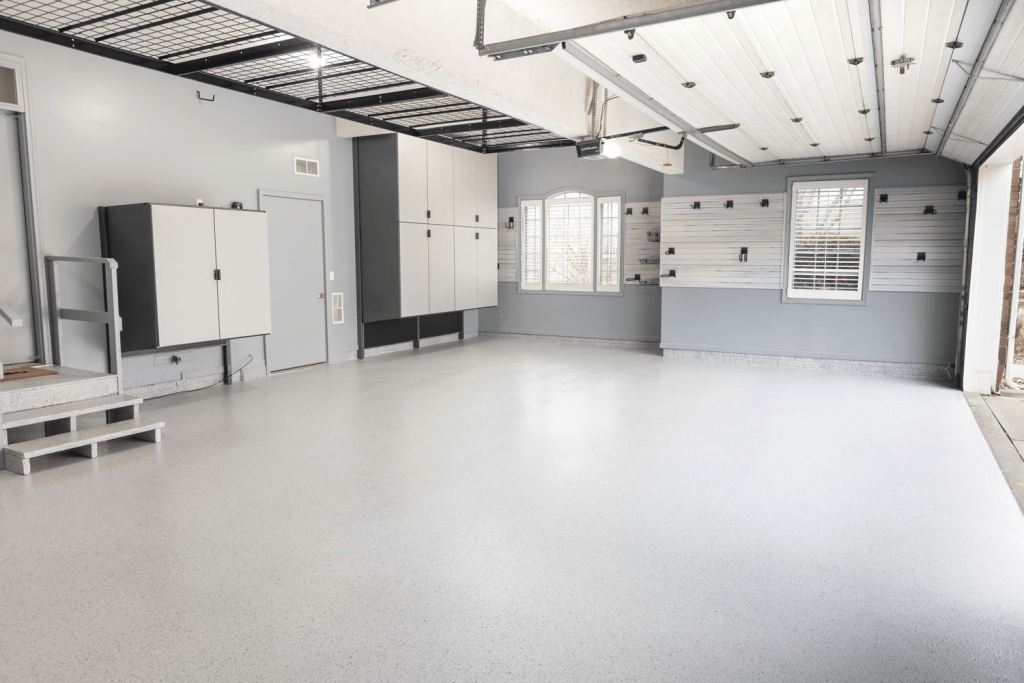
When it comes to transforming a plain, concrete garage into a functional and visually appealing space, professional epoxy garage flooring has become the gold standard. Not only does this type of flooring provide a sleek, polished look, but it also brings unmatched durability and protection. Homeowners, car enthusiasts, and commercial property managers are increasingly investing in epoxy coatings because of their long-lasting performance and minimal maintenance requirements. But what makes professional epoxy garage flooring so special, and why is it superior to traditional options like paint or tiles? Let’s delve into the science behind it and uncover why this solution is a smart investment for any garage.
Understanding Epoxy and How It Works
Epoxy is a thermosetting polymer that consists of resin and hardener components. When combined, these two elements undergo a chemical reaction known as curing. This process forms a rigid, dense surface that is highly resistant to wear and tear. The chemistry behind epoxy allows it to adhere strongly to concrete, sealing pores and creating a moisture-resistant barrier. Unlike paint, which can peel or chip over time, professional epoxy garage flooring chemically bonds with the floor, ensuring that the coating remains intact even under heavy traffic.
The durability of epoxy comes from its molecular structure. Cross-linking occurs during curing, forming a tightly knit network of molecules. This network provides resistance against impact, abrasion, and chemical spills, which is particularly important for garage environments. Oil leaks, cleaning solvents, and even antifreeze are unlikely to damage a properly applied epoxy surface, making it a practical choice for both residential and commercial garages.
Key Benefits of Professional Epoxy Garage Flooring
One of the main reasons homeowners invest in professional epoxy garage flooring is the multitude of benefits it offers. Beyond aesthetics, epoxy coatings enhance the functionality and longevity of a garage. First and foremost, they create a seamless surface that is easy to clean. Dust, dirt, and spills can be wiped away with minimal effort, which is a significant improvement over unsealed concrete floors that tend to absorb liquids and stains.
Additionally, epoxy coatings improve safety. Many professional applications include slip-resistant additives, which reduce the risk of accidents in areas prone to moisture or spills. Reflective pigments can also be added, brightening up the garage space and reducing the need for additional lighting. For car enthusiasts and mechanics, epoxy floors provide a resilient surface that can withstand heavy machinery and tire marks without showing significant wear.
The longevity of epoxy also translates into cost savings over time. While the initial investment may be higher than traditional flooring options, the reduced need for repairs, cleaning, or replacements makes professional epoxy garage flooring a financially savvy decision. Moreover, its waterproof and chemical-resistant properties prevent damage from leaks or environmental exposure, further extending the life of the floor.
Choosing the Right Epoxy for Your Garage
Not all epoxy coatings are created equal. The performance and appearance of professional epoxy garage flooring depend on the type of epoxy used and the application process. There are two main categories: water-based and solvent-based epoxy. Water-based epoxies are easier to apply and emit fewer odors, making them suitable for residential garages. Solvent-based options, on the other hand, are more durable and better suited for commercial or industrial environments where heavy-duty performance is required.
Professional installations often include multiple layers. A primer coat is first applied to ensure proper adhesion to the concrete. This is followed by the base epoxy coat, which provides strength and color. Finally, a clear topcoat is added to protect against UV rays, chemicals, and daily wear. Some high-end systems even include decorative flakes or metallic pigments, offering a customized look while maintaining all the protective benefits of epoxy.
Choosing the right professional installer is just as important as selecting the epoxy itself. Experienced contractors understand the preparation required, including repairing cracks, cleaning the surface, and ensuring proper moisture levels. Improperly prepared floors can lead to bubbling, peeling, or uneven coverage, which reduces both the aesthetic and functional benefits of the coating.
Maintenance Tips for Longevity
One of the most appealing aspects of professional epoxy garage flooring is its low maintenance requirements. Unlike other flooring types, epoxy does not need frequent refinishing or deep cleaning. Regular sweeping and occasional mopping with a gentle cleaner are usually sufficient to keep the floor looking new. For garages that experience heavy use, using mats in high-traffic areas or under vehicles can further protect the coating.
It’s also important to address spills promptly. While epoxy is chemical-resistant, prolonged exposure to strong acids or solvents can cause minor surface damage. By wiping up spills quickly, homeowners can prevent potential staining or weakening of the epoxy layer. Avoiding abrasive cleaning tools, like steel brushes, will also help maintain the surface’s shine and smooth texture.
Periodic inspections can extend the lifespan of your flooring. Checking for chips or cracks and repairing them immediately prevents further damage and maintains the integrity of the coating. Many professional epoxy systems are designed to last 10-20 years when properly installed and maintained, making them one of the most durable flooring solutions available today.
The Impact of Epoxy Flooring on Property Value
Investing in professional epoxy garage flooring does more than improve functionality; it can also increase the overall value of a property. Modern buyers are increasingly drawn to homes with upgraded features, and a well-maintained garage can make a significant impression. A glossy, polished floor communicates care and attention to detail, which reflects positively on the entire property.
For commercial properties, epoxy flooring demonstrates professionalism and commitment to quality. Automotive shops, warehouses, and showrooms benefit from the enhanced aesthetics, durability, and safety of epoxy floors. The long-term cost savings from reduced maintenance and repair also make epoxy an attractive feature for potential buyers or tenants, positioning it as a smart investment in both residential and commercial contexts.
Ultimately, the science and engineering behind professional epoxy garage flooring ensure that it remains a top choice for anyone looking to upgrade their garage space. From its chemical bonding properties and impact resistance to its aesthetic versatility and cost-effectiveness, epoxy offers a comprehensive solution that blends beauty with functionality. By understanding the materials, application techniques, and maintenance practices, homeowners and business owners alike can enjoy the lasting benefits of a superior flooring system.
Conclusion
Professional epoxy garage flooring is more than just a cosmetic upgrade; it is a scientifically engineered solution designed for durability, safety, and long-term value. Its chemical structure, robust adhesion, and resistance to wear make it ideal for both residential and commercial garages. By choosing the right epoxy system and following proper installation and maintenance practices, you can enjoy a seamless, beautiful, and resilient garage floor for decades. Investing in professional epoxy flooring is not just a choice for aesthetics—it’s a smart decision that protects your investment and enhances the overall appeal of your property.


